English
- English Curriculum for CCIs
- Module 1: Phonemic Awareness
- Module 2: Question Words and Sight Words
- Module 3: Tense
- Module 4: Student Vocal Interactions
- Module 5: Dialogue
- Module 6: Create your own story
- Module 7: Grammar Focus
- Module 9: Recap Games: Picture Reading
- Module 10: Understanding Interview
English Curriculum for CCIs
You can read the information below in over 15 languages! Simply use the translation tool in the top-left corner of the screen to select your preferred language, including অসমীয়া, বাংলা, ગુજરાતી, हिन्दी, ಕನ್ನಡ, മലയാളം, मराठी, মৈতৈলোন্, नेपाली, ଓଡ଼ିଆ, ਪੰਜਾਬੀ, संस्कृतम्, தமிழ், తెలుగు, and اُردُو.
| Sessions | 30 |
| Duration of each session | 1 hour |
| Age | 16, 17, 18 |
Index
Module 1: Phonemic awareness
-
Lesson plan 1: Letter sound relation, Vowels – Short and long sound.
-
Lesson plan 2: Diagraphs
Module 2: Question words and sight words
-
Lesson plan 3: Question words
-
Lesson plan 4: Sight words
-
Lesson plan 5: Use of question and sight words
Module 3: Tenses and sentence formation
- Lesson plan 6: Simple past tense
- Lesson plan 7: Simple present tense
- Lesson plan 8: Simple future tense
- Lesson plan 9: Present perfect tense
- Lesson plan 10: Present continuous tense
Module 4: Student vocal interactions
-
Lesson plan 11: Debate
-
Lesson plan 12: Picture describing
-
Lesson plan 13: Individual speaking practice
-
Lesson plan 14: Peer Interactions
Module 5: Conversation - Questions and Answers
-
Lesson plan 15: Dialogue
-
Lesson plan 16: Fillers
-
Lesson plan 17: Telephonic conversation
Module 6: Create your own story
-
Lesson plan 18: Finish the incomplete story
-
Lesson plan 19: Create own stories
Module 7: Recap
-
Lesson plan 20: Various activities
-
Lesson plan 21: Various activities
Module 8: Storytelling
-
Lesson plan 22: Benefits of storytelling
-
Lesson plan 23: Understanding a story
-
Lesson plan 24: Preposition
Module 9: Recap
-
Lesson plan 25: Various activities
-
Lesson plan 26: Various activities
Module 10: Interview
-
Lesson plan 27: Understand INTERVIEW
-
Lesson plan 28: Visiting a bank
-
Lesson plan 29: Going on an outdoor trip
-
Lesson plan 30: Individual Interviews
The following 3 modules include mostly facilitator’s instructions. Students would be active listeners.
|
Module 1 |
2 hours |
|
What will be covered? |
Phonemic awareness |
|
How it will be covered |
Students will be taught the letter sound relation from the alphabet. Students would also be taught sounds which is when two letters are combined. Example: diagraphs and blends. Example: Th, Sh, Wh , Bl, Sp. This can be taught using videos and songs. |
|
Outcomes |
|
|
Reason |
Starting the curriculum with letter sound relation would help students |
|
Module 2 |
3 hours |
|
What will be covered |
Question words and Sight words |
|
How it will be covered |
Students will be taught What, where, why, who and when which are the question words. They will be then taught how to answer these questions by using sight words. These words can be taught through word cards. While teaching this concept comprehension and sentence formation can also be taken. |
|
Outcomes |
|
|
Module 3 |
5 hours |
|
What will be covered |
Tenses and sentence formation, present perfect tense, present continuous tense, |
|
How it will be covered |
The three simple tenses- simple past, present and future will be taught by discussing any particular event. Students will be explained the use of the simple tenses first in easy terms. It is used to describe daily occurrences, habits, explain routines etc. For example: What happened today morning? To answer this, students can narrate the event in sentences using past tense. |
|
Outcomes |
|
From this module onwards, students would participate more, peer learning would be encouraged.
|
Module 4 |
4 hours |
|
What will be covered |
Student vocal interaction- Picture describing, debate, student interaction, talk about this item |
|
How it will be covered |
Pictures having different situations would be shown to students. Students have to talk about the picture in sentences. |
|
Outcomes |
|
|
Module 5 |
3 hours |
|
What will be covered |
Conversation – Dialogue |
|
How it will be covered |
Students will be asked to be in pairs. They will be given different situations like- talking to a vegetable vendor, talking on the phone with a friend or ordering your favourite food. The students would be presenting this in front of their fellow classmates. |
|
Outcomes |
|
|
Module 6 |
2 hours |
|
What will be covered |
Create your own story |
|
How it will be covered |
Students would be asked to narrate a story one by one on the spot. It could be a made-up story or narrate an event happened in their daily routine. Then students would be made into pairs and asked to make one story. This can done by making illustrations or role plays. |
|
Outcomes |
|
|
Module 7 |
2 hours |
|
What will be covered |
Games: Game- Recap with various activities |
|
Module 8 |
3 hours |
|
What will be covered |
Story telling |
|
How it will be covered |
Each student would be presenting their own story, They can read a story from a story book, they can create a story by themselves or narrate a real life incident. Students would be asked to present their work individually. They can present their story through puppets, illustrations or role plays or as an TV anchor. |
|
Outcomes |
|
|
Module 9 |
2 hours |
|
What will be covered |
Game- Recap with various activities |
|
Module 10 |
4 hours |
|
What will be covered |
Interview |
|
How it will be covered |
Students themselves can be divided in to interviewees and interviewer’s panel. The facilitator can suggest few questions or the interviewer’s panel could make some themselves. Mock interviews can be conducted. The students would feel more comfortable to answer the questions as it is asked by their friends. |
|
Outcomes |
|
Module 1: Phonemic Awareness
Read the information below in 15+ languages by selecting your preferred language using the translation tool in the top left corner of the screen.
Class 1: Letter sound relation, Vowels – Short and long sound
Objectives:
-
Why is it important to understand letter sound relation?
-
How can students use this knowledge to listen and speak English?
How do I go about it?
-
Starter (5 mins): As it is the first class, we start with a small introduction. While giving the introduction, the facilitator can just ask what sounds their names have and the number of sounds, etc.
-
For example:
-
My name is Riya.
-
Can we find out how many sounds there are in this name?
-
How can we break it?
-
R/E/Y/A, No of sounds- 4
-
-
-
Topic of Discussion (35 mins): The facilitator can make flash cards of the Alphabet. By showing each card one by one the facilitator can pronounce the sound each letter makes and ask the students to repeat after the facilitator. The facilitator then divides the letters into groups- one as vowels and second as consonants. The facilitator then can introduce the long sound and short sound each vowel makes. This can be introduced through various words with pictures that come under each category. This explanation will be done by showing video clips. While the facilitator is introducing each word, they can also make 2-3 sentences using the word.
-
For example:
-
Long sound A- late- I am late to school.
-
She came late for dinner.
-
Short sound A- Cat- Cat ran behind the table.
-
Rat is scared of the cat.
-
-
-
Activity (10 mins):
-
Make a tabular column in your notebook: Column A (words with short sound) column B (words with long sound). The facilitator will read a small paragraph of 5 to 6 sentences with long sounds and short sounds. Could you identify the words and write them separately?
-
For example: Dog and cat are mates. They always play. Dog and rat are also mates. They bake cake and gave to cat. Cat does not like rat. But, after having the cake cat likes the rat. Now, cat, dog and rat are mates.
-
-
Show simple words to the children. For example: cake, made, bake, rat, bun, sun, like. Write them in a flash card. Divide the students into two groups. Team a and team b. Ask each team one by one if they can break the word and count how many sounds there are. Those who are able to give answers get points, those who are trying get half points.
-
Note for facilitators:
Plenary (5 mins):
-
What did you understand from this concept?
-
Was it too difficult?
-
Did you understand how to break the words and read?
-
Did you understand the difference between long and short sounds?
Question for takeaway reflection (5 mins):
-
Make a tabular column. Could you find more words that have short vowel sounds and long sounds?
-
Make a pair of two: can you play a game between the two students by asking sounds of each letter in a word.
What materials do I need?
-
Flash cards
-
Sketch pens
-
Resources: Audio and video clips to show children in between discussion or activity.
Possible challenges and solutions:
-
Low number of students: The facilitator can choose not to make groups and do activities on an individual basis.
-
Poor connection: In case of poor video connection, the facilitator can choose to type the concerned words or sentences in the chat box or, if possible, share the screen.
Reflection (filled after class):
-
What went well?
-
What did not go well?
-
What do I need to improve for the next class?
Class 2: Digraphs
Objectives:
-
Understanding the consonant digraphs, as words with this combination are common.
-
Understanding the sounds will help the children to familiarize with words swiftly.
-
How can students use this knowledge to listen and speak English?
How do I go about it?
-
Recap (5 mins): The facilitator can recap the previous class by asking a few questions on sounds. He/she can use a matching activity. The facilitator says a sound and students choose the right letter by saying it or writing it.
-
For example:
-
What is the sound of letter 'd'?
-
What is the long sound letter 'a'?
-
What is the short sound of letter 'e'?
-
-
-
Starter (5 mins):
-
The facilitator can do an activity which includes movement.
-
Students will be asked to do the opposite action of what the facilitator says.
-
Clap and Snap,
-
Stand and Sit,
-
Wiggling hands fast and slow.
-
-
-
Topic of Discussion (35 mins): The facilitator can move on to the next topic of helping children understand the sounds when two letters join together. Certain times, when two letters come together, they make one sound.
-
For examples:
-
Wh in (When, what)
-
Th in (that, then)
-
Sh in (shake, shark)
-
Ch in (chart, chain)
-
Ph in (phone, photo)
-
-
While explaining this concept, use examples in sentences that they might have heard on a regular basis:
-
What is your name?
-
That is a table.
-
It is a chart.
-
That is a shadow.
-
It is her phone.
-
-
The facilitator can write these sentences on a white strip in bolds or share a screen and type these sentences and ask the students if they can identify the words that have letters when they join make one sound.
-
-
Activity (10 mins): Facilitators can write these 5 (digraphs) on a flash card and ask students to remember if they can think of words starting with these sounds.
-
For example:
-
Flash card: wh
-
Students might have heard words like, where, when, why, what.
-
-
While discussing these words the facilitators can also discuss two things:
-
First- the meaning of each word.
-
Second-how to use them in sentences.
-
-
Note for facilitators (optional): (Facilitators can choose to use the term 'digraph'. It is not added to the discussion taking to the assumption that students might get confused).
Plenary (5 mins):
-
What are the examples of when two letters join together, they make one sound (digraphs)?
-
What words are with wh etc?
-
Which part of the concept did you find difficult?
-
What should be explained again?
Question for takeaway reflection (5 mins):
-
Can you think of sentences that have words like: what, that, than, where, this, why, share, chat, photo and share it with the facilitator next class.
What materials do I need?
-
Flash cards
-
White paper strips
-
Sketch pens
-
Resources: Audio and video clips to show children in between discussion or activity
Possible challenges and solutions:
-
Low number of students: The facilitator can choose not to make groups and do activities on an individual basis.
-
Poor connection: In case of poor video connection, the facilitator can choose to type the concerned words or sentences in the chat box or, if possible, share the screen.
Reflection (filled after class):
-
What went well?
-
What did not go well?
-
What do I need to improve for the next class?
Module 2: Question Words and Sight Words
Read the information below in 15+ languages by selecting your preferred language using the translation tool in the top left corner of the screen.
Class 1: Question Words
Objectives:
-
To familiarize students with commonly used words in sentences and questions.
-
To help students strengthen their fluency and comprehension in spoken English.
How do I go about it?
-
Starter (5 min): Create a story chain. The facilitator can start by saying a sentence as the beginning of the story. Students can think and be creative here and add to the sentences. If needed, the facilitator can ask students what their favorite part of the story was and what they did not like.
-
Topic of Discussion (40 min): (Recap included here) The facilitator can ask the students if they can recall the previous class where we discussed words with a 'wh' sound. The facilitator can take a half piece of chart sheet and write down the question words (what, where, when, who, why) with different colors. Then she/he can take each word and explain the meaning and give an example by using it in a question. The facilitator can then ask the students if they could try making some questions with these words. The facilitator in this class can mainly focus on meaning making and use of the question words.
-
Activity (10 min): This is a small story. After reading this to the students the facilitator can ask the students if they can try making questions.
-
For example: What is the boy's name?
-
Story: Ram is a 5-year-old boy. He loves to eat apples. His mother gets him an apple every day. Ram likes to share his apple with his family and friends. One day he takes his apple and gave it to his friend Sam.
-
What would you like to know about your friend? Think of 3 questions that you would like to ask your friends and let's all share it in class one by one.
-
Note for teachers: Use of as many colors could be a one of a good way to gain the attention of students.
Plenary (2 min):
-
What did you find difficult in this class?
-
Did question words help understand better?
-
Did the activity help to understand the concept?
Question for takeaway reflection (3 min):
-
Imagine you are at a vegetable shop. Could you make a list of 4-5 questions you would be asking the vendor when you are buying a vegetable.
What materials do I need?
-
Chart paper
-
Sketch pens
Possible challenges and solutions:
-
Low number of students: The facilitator can choose not to make groups and do activities on an individual basis.
-
Poor connection: In case of poor video connection, the facilitator can choose to type the concerned words or sentences in the chat box or, if possible, share the screen.
Reflection (filled after class):
-
What went well?
-
What did not go well?
-
What do I need to improve for the next class?
Class 2: Sight Words
Objectives: Familiarizing students with common words in English.
How do I go about it?
-
Starter: Breathing exercise: Imagine you are in a huge forest, can you hear the different wild animals making noises and playing with family. Can you share what you are thinking?
-
Discussion:
-
List of Sight words: That, this, it, those, these, then, there, on, in, or, is, the, a, up, down, are.
-
The facilitator can explain the concept by asking the students some questions. And ask how will someone answer a question. We use a sentence. And in sentence formation we use certain words which commonly appear in a sentence.
-
The facilitator can show these words using word cards written with colors. While showing these words facilitator can explain by using the words in a sentence with its meaning.
-
Here the facilitator can show a video story by muting the audio. And ask the children if they could describe the picture in a full sentence.
-
-
Activity: The facilitator can play the role of being a customer in a supermarket. Students can become the sales person one by one. The facilitator can show pictures of certain items available in a supermarket and ask the children questions.
-
For example:
-
What is this?
-
This is a packet of chips.
-
-
-
Plenary:
-
Did you understand the difference between that, this and those, these?
-
Did you understand the meaning of each sight word?
-
-
Question for takeaway reflection:
-
Can you make 2-3 sentences using the following sight words?
-
That
-
This
-
Those
-
These
-
-
What materials do I need?
-
White cards
-
Sketch pens
Resources:
-
Video of the story. (Link?)
Possible challenges and solutions:
-
Low number of students: The facilitator can choose not to make groups and do activities on an individual basis.
-
Poor connection: In case of poor video connection, the facilitator can choose to type the concerned words or sentences in the chat box or, if possible, share the screen.
Reflection (filled after class):
-
What went well?
-
What did not go well?
-
What do I need to improve for the next class?
Class 3: Use of Sight Words and Question Words
Objectives: Recap of sight and question words for better understanding.
How do I go about it?
-
Starter (5 min): Playing a song or rhyme and freeze.
-
Discussion (20 min): Facilitator can now take each question word and ask questions to students. Students can try answering in full sentences with sight words. Facilitator can show real life objects for the discussion.
-
Activity (25 min):
-
Picture description: Facilitator can divide the children into 3-4 groups. Ask them to have a discussion between themselves and come up with questions and answers using the question words and sight words of their choice.
-
The facilitator can give a small passage. Ask the students to make two columns. Point out the question words and sight words in the following story. Write them in the correct column.
-
Note for teachers: In this module meaning making should be focused throughout.
Plenary (5 min):
-
Any sight or question word that the student did not understand?
Question for takeaway reflection (5 min):
-
Take any single object from your surroundings. Describe the object in 5-6 sentences using sight words.
Possible challenges and solutions:
-
Low number of students: The facilitator can choose not to make groups and do activities on an individual basis.
-
Poor connection: In case of poor video connection, the facilitator can choose to type the concerned words or sentences in the chat box or, if possible, share the screen.
Reflection (filled after class):
-
What went well?
-
What did not go well?
-
What do I need to improve for the next class?
Module 3: Tense
Read the information below in 15+ languages by selecting your preferred language using the translation tool in the top left corner of the screen.
Class 1: Simple Past Tense
Objectives: Help students to understand the simple past tense.
How do I go about it?
-
Starter (10 mins): Matching the facilitator's tone. The facilitator will bring certain items (e.g., an orange, a red book, a pouch, a pink pen, a paper lamp, a phone) and ask students to describe them. Students will answer questions by matching the different voice modulations used by the facilitator.
-
Discussion (30 mins): The facilitator can start a conversation with the children, asking about their day, what they did yesterday, what they ate, etc. From this discussion, the facilitator can explain what past tense is: "We talk about something that happened before or already that has happened." Words commonly used in past tense sentences include "was," "had," "has," and adding "-ed" to verbs. The facilitator can then tell a simple 5-6 line story about what happened yesterday, and students can continue the story sentence by sentence. After the story is completed and repeated, the facilitator will ask questions from the story, providing three options for children to choose the correct answer.
-
For Example:
-
Choose the correct past tense: "What happened last night?"
-
a. It rained last night
-
b. My uncle came home last night
-
c. I watched a movie last night
-
-
-
Activity (10 mins): The facilitator can say a few sentences in past tense and ask students to choose the words that indicate the sentence is in past tense.
-
For example:
-
"I was sleeping."
-
Ans: was
-
-
Note for teachers:
Plenary (5 mins):
-
What are the words that show as past tense?
-
What is past tense?
Question for takeaway reflection (5 mins): Imagine you had a class yesterday. Could you explain what happened in the class in a few sentences?
Possible challenges and solutions:
-
Low number of students: The facilitator can choose not to make groups and do activities on an individual basis.
-
Poor connection: In case of poor video connection, the facilitator can choose to type the concerned words or sentences in the chat box or, if possible, share the screen.
Reflection (filled after class):
-
What went well?
-
What did not go well?
-
What do I need to improve for the next class?
Class-2: Simple Present Tense
Objectives: Help children understand simple present tense.
How do I go about it?
-
Starter (10 mins): Children will be asked to take three deep breaths. With their eyes closed, they will imagine being in a forest surrounded by animals and describe their imagination in one sentence. The facilitator will provide an example like, "The lion is sleeping."
-
Discussion (35 mins): The facilitator will start the class with a recap of the simple past tense. Then, the facilitator will introduce simple present tense by explaining that it's "when we talk about something that is happening now or keeps happening." The facilitator will then ask students questions and encourage them to try and answer for better understanding.
-
For Example:
-
a. What is your name?
-
b. Where are you staying now?
-
c. What is your favorite hobby?
-
d. How old are you?
-
-
The facilitator can then conduct a one-on-one quiz, saying a sentence (either past or present tense) and asking two questions: "Which tense is it?" and "Which word shows it is in (past or present)?"
-
For example:
-
Facilitator: "I was eating"
-
Which tense?
-
Student: past
-
Facilitator: "Which word shows it is past tense?"
-
Student: was.
-
-
-
Activity (10 mins): Simple present charades. The facilitator acts out verbs for the students, who then guess the action and answer in a full sentence.
-
For example:
-
Facilitator acts out as sleeping. Students should be able to say "I am sleeping or you are sleeping."
-
-
Note for teachers: If children ask about the difference between simple present, present perfect, and present continuous:
| Simple Present | Present Continuous | Present Perfect |
| General truths, Facts, and Timeless Information | Actions that are currently happening at the time of speaking | Connects past events to the present moment |
| Permanent Situations, Habits, and Routines | Actions in progress/Temporary or Unfinished Events | Indicates a past action with an impact on the present |
| Repeated or Regular Occurrence | Changing or Evolving Situations | Something that started in the past and continues in present |
Plenary (3 mins):
-
Explain present tense?
-
What is the difference between past and present tense?
Question for takeaway reflection (2 mins): Could you have a conversation with your friends about your daily routine? Maximum 6 sentences.
Possible challenges and solutions:
-
Low number of students: The facilitator can choose not to make groups and do activities on an individual basis.
-
Poor connection: In case of poor video connection, the facilitator can choose to type the concerned words or sentences in the chat box or, if possible, share the screen.
Reflection (filled after class):
-
What went well?
-
What did not go well?
-
What do I need to improve for the next class?
Class-3: Simple Future Tense
Objectives: To help children understand future tense.
How do I go about it?
-
Starter (5 mins): Students have to do the opposite action of what the facilitator is saying. For example, when she says "sit," they have to stand; when she says "stand," they have to sit.
-
Discussion (40 mins): The facilitator will start the topic of future tense by explaining what future tense is.
-
-
What will you eat today?
-
What day is tomorrow?
-
What class do you have tomorrow?
-
What will you do after English class?
-
-
Now, a small presentation by everyone. Students will come forward and talk about what they want to become in the future, answering three questions:
-
a. What is your name?
-
b. What do you want to become in future?
-
c. How can you help society with your goal?
-
-
The facilitator can now tell a story of 7-8 sentences. Students are to identify which sentences in the story are past, present, or future, and what words indicate the tense.
-
-
Activity (10 mins): The facilitator can say the first part of a sentence, and children will be asked to add on the second part.
-
For example:
-
Facilitator: "I will have....."
-
Student: "...dosa for breakfast tomorrow."
-
-
The facilitator can start a quiz where he/she says a sentence and asks students if it is past, present, or future.
-
-
It is English class now - present or past or future?
-
I had dinner yesterday - present or past or future?
-
I will dance tomorrow - present or past or future?
-
-
-
Note for teachers:
Plenary (3 mins):
-
What is future tense?
-
What is present tense?
-
What is past tense?
-
What is the difference between past, present, and future?
Question for takeaway reflection (2 mins):
-
Facilitator can make a document of some pictures that have verbs in present tense. They can send this to students, and students have to describe the actions in future tense.
What materials do I need?
Resources:
-
Document of pictures from Google.
Possible challenges and solutions:
-
Low number of students: The facilitator can choose not to make groups and do activities on an individual basis.
-
Poor connection: In case of poor video connection, the facilitator can choose to type the concerned words or sentences in the chat box or, if possible, share the screen.
Reflection (filled after class):
-
What went well?
-
What did not go well?
-
What do I need to improve for the next class?
Class-4: Present Perfect Tense
Objectives: Helping children understand present perfect tense.
How do I go about it?
-
Starter (5 mins): Chain story. The teacher can start with a sentence by saying, "I saw a frog yesterday with an apple." Ask the students if they could add on to the story with fantastical elements in it.
-
Discussion (35 mins):
-
Facilitator explains what present perfect tense is: "Past event that has present consequences." In simple words, "something that started in the past and still continues in the present."
-
"Have," "have been," "has been," "has" are the words used in forming sentences with present perfect tense.
-
For example:
-
Raj has just gone out to the market.
-
I have art classes every Friday.
-
We have gone for a walk.
-
Toby has eaten all the cookies.
-
My mother has cut her finger.
-
I have done all my homework.
-
I have been in Pune for one week.
-
-
Now, the facilitator can ask a few questions to the children for better understanding and do a match the following activity:
-
Have they gone for class?
-
It has been raining since yesterday.
-
I have made rice.
-
Has it rained?
-
They went for the class an hour ago.
-
Why haven't you finished the work?
-
What have you made for dinner?
-
I have been ill.
-
-
Facilitator can now ask students if they could make questions using present perfect tense.
-
-
Activity (10 mins): Facilitator can ask everyone to pay attention to the facilitator's screen. The facilitator can then place a few things on his/her table, ask students to just take a look, and ask if things are visible. Now, the facilitator can ask students to close their eyes. Once they do, the facilitator can move an object from the table to somewhere else or hide it. Now, ask the students to open their eyes and ask what change had happened. The answer they would be saying is in present perfect tense. The facilitator can continue the game a few more times.
Note for teachers:
-
The game can become little confusing, but a few practices can help for better clarity.
-
If children ask about the difference between simple present, present perfect, and present continuous:
| Simple Present | Present Continuous | Present Perfect |
| General truths, Facts, and Timeless Information | Actions that are currently happening at the time of speaking | Connects past events to the present moment |
| Permanent Situations, Habits, and Routines | Actions in progress/Temporary or Unfinished Events | Indicates a past action with an impact on the present |
| Repeated or Regular Occurrence | Changing or Evolving Situations | Something that started in the past and continues in present |
Plenary (2 mins):
-
What are the words that indicate present perfect tense?
Question for takeaway reflection (5 mins):
-
Fill in the blanks: Choose "have" or "has" in the following sentences:
-
-
She _____ a class tomorrow. (have/has)
-
They _____ cooking for three hours. (have been/has been)
-
He _____ waiting for you. (have been/has been)
-
_____ to run to the market to get the medicine. (has/have)
-
-
Possible challenges and solutions:
-
Low number of students: The facilitator can choose not to make groups and do activities on an individual basis.
-
Poor connection: In case of poor video connection, the facilitator can choose to type the concerned words or sentences in the chat box or, if possible, share the screen.
Reflection (filled after class):
-
What went well?
-
What did not go well?
-
What do I need to improve for the next class?
Class-5: Present Continuous Tense
Objectives: Help children understand present continuous tense.
How do I go about it?
-
Starter: Breathing exercise with stretching. Facilitator can ask all students to sit straight in their places. They can take three long breaths and then do some light stretching with neck, hands, fingers, etc. Facilitator can also ask if the students can stand up for 2-3 minutes and stretch their body, legs, etc.
-
Discussion: Facilitator explains in simple words what Present continuous tense is: "Something that is happening now." When explaining or having a conversation about what is happening right now, we use words like "verb + -ing," "are," "is."
-
For example:
-
Children are going to school.
-
The boys are playing in the park.
-
The baby is crying out loud.
-
It is raining now.
-
I am cooking rice for lunch.
-
Miss Aliya is teaching the English class.
-
-
Could you try answering some questions in continuous tense and fill in the blanks?
-
For example:
-
When are we going to class? We are _____ now. (going/go)
-
When is she coming? She _____ in 5 minutes. (is/was) (come/coming)
-
Can he cook dosa now? He _____ making dosa now. (is/was)
-
Are we going? Yes, we _____ in a while. (were/are) (going/go)
-
-
-
Activity: Can everyone speak in 3-4 sentences and explain what is happening with you now? The facilitator can start.
-
For example:
-
I am breathing.
-
I am sitting on a chair.
-
I am teaching in English.
-
I am talking to students.
-
Note for teachers:
-
If children ask about the difference between simple present, present perfect, and present continuous:
| Simple Present | Present Continuous | Present Perfect |
| General truths. Facts, and Timeless Information | Actions that are currently happening at the time of speaking | Connects past events to the present moment |
| Permanent Situations. Habits, and Routines | Actions in progress/Temporary or Unfinished Events | Indicates a past action with an impact on the present |
| Repeated or Regular Occurrence | Changing or Evolving Situations | Something that started in the past and continues in present |
Plenary:
-
What are the words used in present continuous tense?
-
What is the difference between present perfect and present continuous tense?
-
What is the difference between simple present, present perfect, present continuous?
Question for takeaway reflection:
-
Can you make a group of 3? Now discuss with each other by making sentences in present continuous sentences. Help each other if they need your support to make the sentences.
Possible challenges and solutions:
-
Low number of students: The facilitator can choose not to make groups and do activities on an individual basis.
-
Poor connection: In case of poor video connection, the facilitator can choose to type the concerned words or sentences in the chat box or, if possible, share the screen.
Reflection (filled after class):
-
What went well?
-
What did not go well?
-
What do I need to improve for the next class?
Module 4: Student Vocal Interactions
Read the information below in 15+ languages by selecting your preferred language using the translation tool in the top left corner of the screen.
Class 1: Debate
Objectives: To help children practice speaking by introducing them to different methods.
How do I go about it?
-
Starter (5 mins): Facilitator can make the students stand or sit in their place. Facilitator will use a phrase and a command. The phrase is 'Simon says' which is followed by a command 'any verb (laugh loudly, clap your hands or sing a song)'. Students have to 'do the action' when both the phrase and command are given. Facilitator will start by giving a command like "Simon says touch your nose." Teacher can keep going. Students are not supposed to do any action if the command is given without the phrase. That is "jump right and left side". If they do, students are out of the game.
-
Discussion (10 mins): Facilitator explains the rules and how to participate in a debate. Facilitator can use the following points for the explanation if needed:
-
There are two teams in a debate. One who speaks 'for' the topic and one who speaks 'against' the topic.
-
The team supporting the topic must not shift its point of view.
-
If a speaker makes a statement, they must be able to provide reasons to support the statement.
-
Facts presented in a debate must be accurate.
-
-
Activity (35 mins): Facilitator can conduct a small debate among the students. Make them into small groups of 3-4. The topic: "If I rule the world, I will make a rule that students should only study for 4 days a week and rest 3 days should be to have fun." Speak against and for the topic.
Note for teachers: (While doing these activities please keep referring to Module 1,2,3 and ask questions connecting to Module 1,2, and 3. So children are getting a repeat of the concepts taught. This process will help them understand and remember the concepts well.)
Plenary (5 mins):
-
What are the points to remember while participating in a debate?
Question for takeaway reflection (5 mins):
-
Give a small story to the children. You can show a video story for this.
-
Ask the students to give a good review and need to improve review about the story.
-
Story link is in the Resources section.
-
Sit with your friend. Take anything, fruit or vegetable that's near you. Talk for 1-2 minutes about the positive and negative about the thing.
What materials do I need?
Resources:
Possible challenges and solutions:
-
Low number of students: The facilitator can choose not to make groups and do activities on an individual basis.
-
Poor connection: In case of poor video connection, the facilitator can choose to type the concerned words or sentences in the chat box or, if possible, share the screen.
Reflection (filled after class):
-
What went well?
-
What did not go well?
-
What do I need to improve for the next class?
Class 2: Picture Describing
Objectives:
-
To help children practice speaking by introducing them to different methods.
-
Helping children to increase vocabulary by using pictures.
How do I go about it?
-
Starter (10 mins): Freeze Frame: In this game, the facilitator can send a message to each student separately. Facilitator has to give an action to any one student. The student has to do the action and other students have to guess what he is doing. The action should be 20 to 30 seconds long.
-
For example:
-
You are getting late to school and you are not able to find your homework notebook.
-
You are waiting for your school bus in the bus stop.
-
Your cooking tasty food in the kitchen.
-
-
-
Discussion (2 mins): Facilitator can explain what to do in the activity.
-
Activity (40 mins):
-
Facilitator shows a picture and asks various questions from the picture. Students answer them in full sentences using correct tense.


-
Facilitator can show 3 pictures which are eventful.
-
Now the facilitator can ask questions from the picture by pointing the cursor on the particular character in the picture.
-
For example: From pic 1: What is the pink t-shirt girl doing?
-
When students answer in full sentence, ask them to say what tense they used.
-
For example:
-
Stu: She is reading a book.
-
F: What tense is that?
-
Stu: It is present continuous tense.
-
-
Spot the difference in these two following pictures. Facilitator shows two similar pictures with minute differences, ask students what are the differences they spot.

-
Spot 12 Differences in 35 Seconds.
-
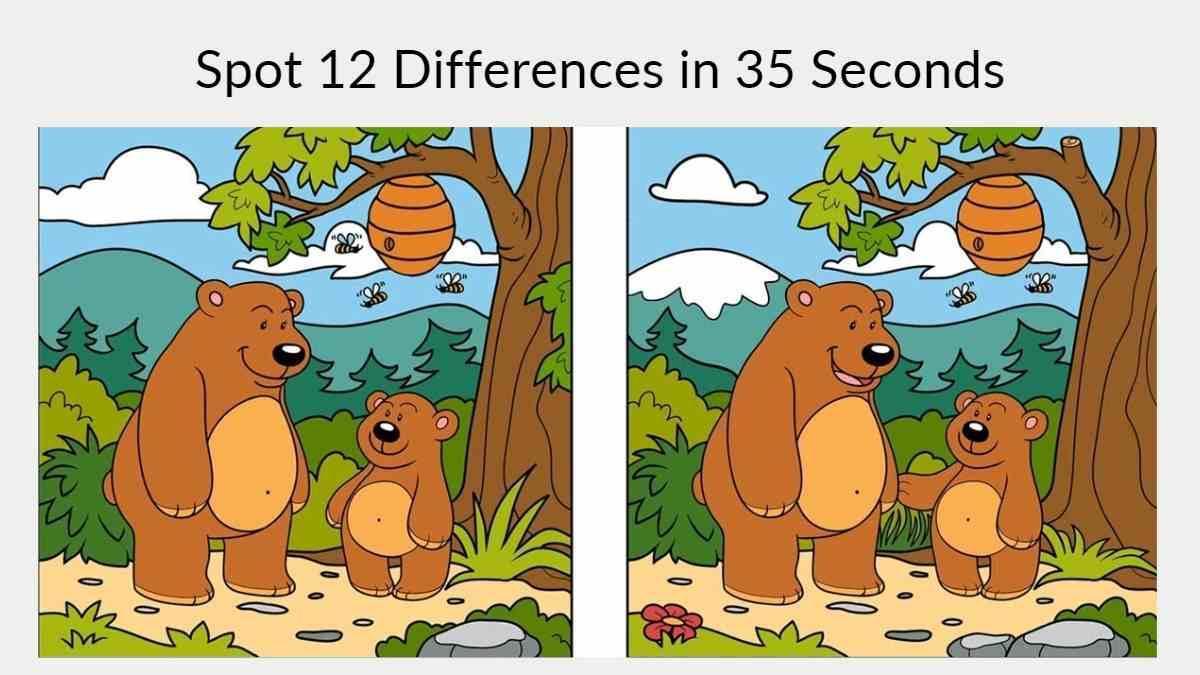
Note for teachers: (While doing these activities please keep referring to Module 1,2,3 and ask questions connecting to Module 1,2, and 3. So children are getting a repeat of the concepts taught. This process will help them understand and remember the concepts well.) Questions related to tenses can be asked by the facilitator.
Plenary (5 mins):
Question for takeaway reflection (3 mins):
-
Facilitator can give a picture to students as homework and ask them to share what is happening in the picture in the next class.
-
If they can write, then write after class hours and share in next class.
What materials do I need?
Resources:
-
Pictures are put along with the explanation.
Possible challenges and solutions:
-
Poor connection: In case of poor video connection, the facilitator can choose to type the concerned words or sentences in the chat box or, if possible, share the screen.
Reflection (filled after class):
-
What went well?
-
What did not go well?
-
What do I need to improve for the next class?
Class 3: Individual Speaking Practice
Objectives: To help children practice speaking by introducing them to different methods.
How do I go about it?
-
Starter (5 mins): Create a story chain. Facilitator can start by saying a sentence as a beginning of the story. Students can think and be creative here. They can add to the sentences. Facilitator if needed can ask the students what was their favourite part of the story they created and what they did not like in the story?
-
Discussion (5 mins): Facilitator can explain that this class is all about practicing to speak individually using different ways.
-
Activity (45 mins):
-
Talk about an item: Facilitator can bring few things like a fruit, a vegetable, a notebook, a pen, a water bottle etc. Now the facilitator can ask students to talk about this item in 5-6 lines. The facilitator can check the sentence formation, pronunciation and tense when the children answer.
-
Extempore: Facilitator can give students a topic on the spot and ask the students to try and talk about the topic in 5-6 sentences. Facilitator can give 1 minute to speak for each child.
-
Talk about yourself: In 5-6 sentences talk about yourself. You can speak what you like, your hobbies, what kind stories you like to read, what kind of music do you like to listen etc.
-
Note for teachers: (While doing these activities please keep referring to Module 1,2,3 and ask questions connecting to Module 1,2, and 3. So children are getting a repeat of the concepts taught. This process will help them understand and remember the concepts well.)
Plenary (2 mins):
-
Facilitator can give students tips on overcoming stage fright or being shy.
Question for takeaway reflection (3 mins):
-
Sit with your friend. Ask them to give you a topic. Now you can speak about the topic in 4-5 sentences. Ask your friend to help you correct any mistakes if you have made. Repeat the same activity now you giving the topic and your friend speaking about the topic.
Possible challenges and solutions:
-
Poor connection: In case of poor video connection, the facilitator can choose to type the concerned words or sentences in the chat box or, if possible, share the screen.
Reflection (filled after class):
-
What went well?
-
What did not go well?
-
What do I need to improve for the next class?
Class 4: Peer Interactions
Objectives: To help children practice speaking by introducing them to different methods.
How do I go about it?
-
Starter (10 mins):
-
The facilitator can do an activity which includes movement.
-
Students will be asked to do the opposite action of what facilitator says.
-
Clap and snap,
-
Stand and sit,
-
Wiggling hands fast and slow.
-
-
-
Discussion (10 mins): Facilitator can explain the students that they will be given 10-15 mins to think of a story together in a pair. Facilitator can explain how important it is to listen to others perspective and help each other to learn or revise what has been taught so far.
-
Activity (35 mins):
-
Make a story with your friend. The facilitator can put students in a group of two.
-
The following rules to be followed during the preparation:
-
The students will be given 10-15 minutes to prepare.
-
The story should be less than 2 minutes.
-
The story should be presented by both the students.
-
It's up to the students how to present.
-
You can use a small drawing, small paper puppet or a hand gesture.
-
-
The facilitator can use 15 minutes for everyone's presentation. During the presentation the facilitator can give feedbacks on the following points:
-
Sentence formation
-
Pronunciation
-
Tense
-
Was the presentation well-coordinated?
-
-
Note for teachers: (While doing these activities please keep referring to Module 1,2,3 and ask questions connecting to Module 1,2, and 3. So children are getting a repeat of the concepts taught. This process will help them understand and remember the concepts well.)
Plenary (2 mins):
-
Facilitator can ask questions on overall basis, that is tenses and sentence formation.
Question for takeaway reflection (3 mins):
-
Take a paper. Write down questions or doubts you might have had during the following classes on tenses, sentence formation etc. Facilitator can discuss the answers in the upcoming classes.
What materials do I need?
Resources:
Possible challenges and solutions:
-
Low number of students: The facilitator can choose not to make groups and do activities on an individual basis.
-
Poor connection: In case of poor video connection, the facilitator can choose to type the concerned words or sentences in the chat box or, if possible, share the screen.
Reflection (filled after class):
-
What went well?
-
What did not go well?
-
What do I need to improve for the next class?
Module 5: Dialogue
Read the information below in 15+ languages by selecting your preferred language using the translation tool in the top left corner of the screen.
Class 1: Dialogue
Objectives: To help kids understand the basics of having a conversation in different situations.
How do I go about it?
-
Starter (8 mins): Tongue twisters.
-
For Example: Betty and Bob brought back blue balloons from the big bazaar.
-
The blue bluebird blinks.
-
Give papa a cup of proper coffee in a copper coffee cup.
-
She sells seashells by the seashore.
-
-
Discussion (8 mins): The facilitator can start the class by asking the students 'What is a conversation' and 'What happens in a conversation'. The facilitator can show a video of 'two girls having a phone conversation about going to meet their friend who is fallen ill'. Students can point out what happened in the video. In the same video there is a part where the audio is muted and only the video plays. Students can try role playing by saying the dialogue.
-
Activity (40 mins): The facilitator can make the students into a group of two. The facilitator can give multiple scenarios for the children to have conversations. No preparation time to be given in this class. This activity can be done on the spot. The facilitator can help students here while they are presenting.
-
For example: What would be the conversation you would be having in these situations?
-
Talk to a vegetable vendor.
-
Can you and your friend cook together?
-
Your friend needs help in her homework.
-
You and your friend are planning to go on a trip.
-
How was your day today?
-
If you have a magic wand, what would you do?
-
-
Note for teachers: (The facilitator can see to the tenses, pronunciation and sentence formation while a conversation is happening between students.)
Plenary (1 min):
-
What are the important tips to remember while having a conversation?
Question for takeaway reflection (3 mins):
-
Take any conversation scenario given in the class. Practice with your friend.
What materials do I need?
Resources:
-
Video link: https://www.youtube.com/watch?v=u-AUW72Rs10 (not available)
Possible challenges and solutions:
-
Low number of students: The facilitator can choose not to make groups and do activities on an individual basis.
Reflection (filled after class):
-
What went well?
-
What did not go well?
-
What do I need to improve for the next class?
Class 2: Comprehending Stories
Objectives: To help kids understand the basics of having a conversation in different situations.
How do I go about it?
-
Starter (10 mins): Raise hands of fillers: Ask any student to speak about themselves or any topic. When they present if they use any of the following fillers: - like, ah, um, other students have to either stand up or raise their hand.
-
Discussion (5 mins): The facilitator can explain that while having a conversation, sometimes we use 'fillers words'. Fillers words are used in a speech usually while taking time to think what to say next. We can avoid using fillers by slowing down when we are talking or practice speaking when alone using various activities like monologues or role plays. (The facilitator can choose to explain about the fillers after the discussion and the activity.)
-
Activity (45 mins): The facilitator can play the story 'Two pots' once for the students. The facilitator can make students into a group of two and ask them to comprehend the story and present them together in their own words. The students can present the story either by:
-
Narrating the story
-
(or) Conversation between two pots
-
Note for teachers: After the presentation the facilitator can speak about fillers and how we have to practice not using any fillers during our speech. The fillers words are: - like, um, aa, you know, hmmm and alright.
Plenary (2 mins):
-
What other methods can you think of to avoid fillers?
-
What are certain things to remember while having a conversation?
Question for takeaway reflection (3 mins):
-
Have a conversation with your friend on any topic. Help your friend realize if they are using any fillers.
Possible challenges and solutions:
-
Low number of students: The facilitator can choose not to make groups and do activities on an individual basis.
Reflection (filled after class):
-
What went well?
-
What did not go well?
-
What do I need to improve for the next class?
Class 3: Telephonic Conversations
Objectives: To help kids understand the basics of having a conversation in different situations.
How do I go about it?
-
Starter (5 mins): The facilitator can start by asking some riddles to the students.
-
-
What has to be broken before you can use it? An egg
-
I'm tall when I'm young, and I'm short when I'm old. What am I? A candle
-
What month of the year has 28 days? All of them
-
What is full of holes but still holds water? A sponge
-
What goes up but never comes down? Your age
-
-
-
Discussion (8 mins): The facilitator can discuss about telephonic conversation. The facilitator can show a video of two friends talking over phone to meet. Students can point out what happened in the video. In the same video there is a part where the audio is muted and only the video plays. Students can try role playing by saying the dialogue.
-
Activity (42 mins): The Facilitator can give topics to students on telephonic conversations. The facilitator can make students into a group of two and students will get 10 mins to create the conversation. The facilitator can choose to ask the students if they can do this on their own and not with any help.
-
-
Order a beautiful dress for your friend online.
-
Order food for your friends.
-
An unknown person called you and it happens to be a wrong number.
-
You are having an interview over a phone call for the job you applied.
-
You are moving to a new place, an old friend of you resides in that town, make a phone call and enquire about the town.
-
-
Note for teachers:
Plenary (2 mins):
-
What did you find difficult in this activity?
Question for takeaway reflection (3 mins):
-
Have a telephonic conversation with your friend on any topic. Help your friend realize if they are using any fillers.
What materials do I need?
Resources:
Possible challenges and solutions:
-
Low number of students: The facilitator can choose not to make groups and do activities on an individual basis.
Reflection (filled after class):
-
What went well?
-
What did not go well?
-
What do I need to improve for the next class?
Module 6: Create your own story
Read the information below in 15+ languages by selecting your preferred language using the translation tool in the top left corner of the screen.
Class 1: Create Your Own Stories
Objectives: Help students explore various ways to develop communication skills.
How do I go about it?
-
Starter (5 mins): Students have to do the opposite action of what the facilitator is saying. For example: when she says sit, they have to stand, when she says stand, they have to sit. Facilitator can use any different action words also.
-
Discussion (10 mins): Facilitator can start the session by having a discussion on Stories. Stories help understand, appreciate, and respect diverse culture and perspectives. Children learn new words and understand where to use them in the particular context. Fill in the blanks with simple words given in the options according to context.
-
Story: The Thirsty Crow
The bottoms of many ponds and lakes are dry throughout the summer. Birds travelled great distances in search of water.
This crow was one such bird who saw a .... (pot/plate) with water at the bottom. It tried to use its ..(wings/beak) to reach the water, but the pot's neck was too thin. The crow repeatedly tried to shake the pot, but it was of no use. Soon after the crow became too tired to try. Too thirsty to .... (fly/walk). it couldn't. The thirsty crow suddenly had an idea!
Plop! Plip! Plop! ...... (Sticks/Pebbles) started to fall into the pot from it. The .. (milk/water) climbed upward. Up until its beak touched the water, the crow kept putting the pebbles. The hungry crow was able to quench its thirst at last!
-
-
Activity (35 mins): Make the students into groups of 4. The facilitator can give any topics to children. Students are to make stories of their own and present in front of their classmates.
Note for teachers:
Plenary (3 mins):
-
What do you learn when making a story of your own?
-
What are the new words you learned today?
Question for takeaway reflection (2 mins):
-
Can you take an object around you? It can be a fruit, a vegetable, a book, a pen.
-
Can you make a story using the object? It can be of 4-5 lines.
Possible challenges and solutions:
-
Low number of students: The facilitator can choose not to make groups and do activities on an individual basis.
-
Poor connection: In case of poor video connection, the facilitator can choose to type the concerned words or sentences in the chat box or, if possible, share the screen.
Reflection (filled after class):
-
What went well?
-
What did not go well?
-
What do I need to improve for the next class?
Class 2: Create Your Own Story
Objectives: Help students explore various ways to develop communication skills.
How do I go about it?
-
Starter (5 mins): Facilitator can make the students stand or sit in their place. Facilitator will use a phrase and a command. The phrase is 'Simon says' which is followed by a command 'any verb (laugh loudly, clap your hands or sing a song)'. Students have to 'do the action' when both the phrase and command are given. Facilitator will start by giving a command like "Simon says touch your nose." Teacher can keep going. Students are not supposed to do any action if the command is given without the phrase. That is "jump right and left side". If they do, students are out of the game.
-
Discussion (40 mins): Create a story with you as the main character. Here are some scenarios you can use in your stories:
-
Scenarios - You move into a new town.
-
You and your friend got the same job you wished for.
-
Your friend needs help in studying English.
-
You discover that you are good at a new skill.
-
Your friend has invited you home for dinner.
-
You want to learn new skills.
-
Here is a story 'The boy who cried wolf' where only the first half is given. Can you complete the story with your own version?
A shepherd boy in a village used to take his herd of sheep across the fields near the forest. He felt this job was very dull and wanted to have some fun. One day while grazing the sheep, he shouted, "Wolf! Wolf! The wolf is carrying away a lamb!" Farmers working in the nearby fields came running for help but didn't find any wolf. The boy laughed and replied, "It was just fun. There is no wolf here". The boy played a similar trick repeatedly for many days.
-
-
Activity (10 mins): Complete the story. Use a proper sentence for the blanks given.
-
Once upon a time, a farmer had a goose that laid a golden egg every day.
-
One day, the farmer thought that if he could get more such golden eggs and make a lot of money and become a wealthy person.
-
As soon as they killed the bird and opened the goose's stomach, they found no eggs.
-
Note for teachers:
Plenary (2 mins):
-
How did you feel when you were the main character of the story you made?
Question for takeaway reflection (3 mins):
-
Make a group of 2. Can both of you make one story by making yourself the main characters of the story?
Possible challenges and solutions:
-
Low number of students: The facilitator can choose not to make groups and do activities on an individual basis.
-
Poor connection: In case of poor video connection, the facilitator can choose to type the concerned words or sentences in the chat box or, if possible, share the screen.
Reflection (filled after class):
-
What went well?
-
What did not go well?
-
What do I need to improve for the next class?
Module 7: Grammar Focus
Read the information below in 15+ languages by selecting your preferred language using the translation tool in the top left corner of the screen.
Class 1: Prepositions
Objectives: Helping students understand the use of prepositions.
How do I go about it?
-
Starter (10 mins): Play a rhyme or a song and freeze.
-
Discussion (15 mins): The facilitator can start by explaining what a preposition is and the different types of prepositions.
-
Preposition of direction: When a person A is unable to find a place, thing or a person, and person B tells the way by using certain words in the sentence to reach the final place is known as preposition of direction.
-
For example:
-
To: John travelled to Mumbai.
-
Onto: The cat jumped onto the table.
-
Into: Mary jumped into the water.
-
Through: The river runs through the woods.
-
Up: The store is right up the road.
-
Down: The boy tumbled down the hill.
-
-
-
Preposition of time: A preposition of time is a word that indicates when an action, event, or condition happens or will happen. Prepositions of time can be used to specify a specific time, period, or recurrence.
-
For example:
-
At: I will arrive at 7 p.m.
-
On: "My birthday is on September ."
-
In: "I'm going on vacation in July."
-
During: "The power went out during the storm."
-
Since: "He has been working on it since last year."
-
For: "I will be gone for a day."
-
-
-
Preposition of place: A preposition of place is a word that describes the location of something in relation to something else in a sentence. Prepositions of place are used to establish spatial relationships and can help answer questions like "Where?" or "In what direction?".
-
For example:
-
In: I am in the kitchen.
-
At: I'm at work.
-
On: The books are on the desk.
-
Inside: Place the pen inside the drawer.
-
Near: She lives near the park.
-
Under: The cat is hiding under the bed.
-
-
-
-
Activity (30 mins):
-
Facilitator can ask students to make 3-4 sentences for each type of preposition in class. This will help in better understanding. If the students are getting confused, the facilitator can explain more with examples.
-
Facilitator can play this video and conduct a quiz on Preposition for students.
-
Note for teachers:
Plenary (2 mins):
-
What is preposition of direction?
-
What is preposition of time?
-
What is preposition of place?
-
What is the difference between all three prepositions?
Question for takeaway reflection (3 mins):
-
Can you and your friends form one group and have a discussion on what happened in the class?
-
What they understood in Propositions. What they did not understand?
-
One student can be the leader and monitor the talk and give each person a chance to talk.
Possible challenges and solutions:
-
Low number of students: The facilitator can choose not to make groups and do activities on an individual basis.
-
Poor connection: In case of poor video connection, the facilitator can choose to type the concerned words or sentences in the chat box or, if possible, share the screen.
Reflection (filled after class):
-
What went well?
-
What did not go well?
-
What do I need to improve for the next class?
Class 2: Contraction Words
Objectives: To help students understand contraction words.
How do I go about it?
-
Starter (5 mins): Breathing exercise: Imagine you are in a huge forest; can you hear the different wild animals making noises and playing with family. Can you share what you are thinking?
-
Discussion (20 mins): To form a contraction, you can remove one or two letters from two words and replace them with an apostrophe. For example, "she will" becomes "she'll" when you remove the "wi" and add an apostrophe. such as "I'm" for "I am", "he isn't" for "he is not", and "she's" for "she is".
-
Activity (30 mins):
-
Facilitator can give the students the following sentences, and ask the students to rewrite the sentences using contraction words.
-
She cannot swim.
-
I do not want to go.
-
He will come to school.
-
I must not drink that.
-
She is my friend.
-
We are not going tomorrow.
-
He is not doing his homework.
-
I will not eat now.
-
-
Facilitator can ask the students to use the contraction words and make their own sentences.
-
Note for teachers:
Plenary (2 mins):
-
Give few examples of contraction words using it in sentences?
Question for takeaway reflection (3 mins):
-
Facilitator can give this as an individual task. Students are to create a story and use contraction words in it.
-
The story can be of 7-8 sentences.
Possible challenges and solutions:
-
Low number of students: The facilitator can choose not to make groups and do activities on an individual basis.
-
Poor connection: In case of poor video connection, the facilitator can choose to type the concerned words or sentences in the chat box or, if possible, share the screen.
Reflection (filled after class):
-
What went well?
-
What did not go well?
-
What do I need to improve for the next class?
Module 9: Recap Games: Picture Reading
Read the information below in 15+ languages by selecting your preferred language using the translation tool in the top left corner of the screen.
Class 1: Create your own stories
Objectives: Helping students with communication with pictures.
How do I go about it?
-
Discussion (5 mins): Facilitators can take a recap test for the students in the form of various games as given below.
-
Activity 1 (30 mins): Facilitator can ask the students to speak one by one. Students can choose on which topic they want to speak.
-
Talk about your favorite dish and how to cook it.
-
Talk about why healthy food is important.
-
Talk about the best dishes you cook the best.
-
Talk about what you usually eat for breakfast/lunch/dinner.
-
Talk about foods you dislike the most.
-
Talk about what you like about your house/apartment.
-
Talk about what household chores you hate doing.
-
Talk about things in your home you couldn't live without.
-
-
Activity 2 (15 mins): Facilitators can start by showing the students a picture for a brief period, then hide it. Next, read out statements about the picture, and have students respond with 'true' or 'false' depending on whether the statements are accurate.
-
Or
-
Instead of the teacher providing statements, students can be asked to write their own true statements about the picture after viewing it.
-
-
Activity 3 (10 mins): Facilitator can play a small game using the given prompt below.
-
THE 3 WORDS GAME
-
Name 3 things which reminds you of school.
-
Name 3 things you can drink.
-
Name 3 things both men and women can wear.
-
Name 3 things you can eat.
-
Name 3 things which reminds you of holidays.
-
Name 3 things both students and teachers do.
-
Name 3 things which reminds you of music.
-
Name 3 things you can wear on your feet.
-
Name 3 things you can wear on your head.
-
-

Possible challenges and solutions:
-
Low number of students: The facilitator can choose not to make groups and do activities on an individual basis.
-
Poor connection: In case of poor video connection, the facilitator can choose to type the concerned words or sentences in the chat box or, if possible, share the screen.
Reflection (filled after class):
-
What went well?
-
What did not go well?
-
What do I need to improve for the next class?
Class 2: Revision Games
Objectives: Helping students to revise the concepts taught through games.
How do I go about it?
-
Activity 1 (20 mins): Facilitators can ask students to answer the following questions in Present tense and past tense.
Yesterday Today 1. I _____ at school. 1. I _____ at home. 2. Katie _____ hungry. 2. Katie _____ thirsty. 3. We _____ excited. 3. We _____ bored. 4. My friends _____ relaxed. 4. My friends _____ tired. 5. My cousin _____ _____. 5. My cousin _____ _____. 6. Jack and I _____ friends. 6. Jack and I _____ friends. 7. It _____ hot and sunny. 7. It _____ cold and cloudy. 8. My dolls _____ new. 8. My dolls _____ old. 9. I _____ in the park. 9. I _____ in the garden. 10. You _____ sad. 10. You _____ very tall. 11. Your old bike _____ blue. 11. Your bike _____ red. 12. The windows _____ clean. 12. The windows _____ dirty. 13. Our neighbours _____ friendly and helpful. 13. Our neighbours _____ nice and kind. 14. My sister and I _____ both angry. 14. My sister and I _____ both short. 15. There _____ a poster in the classroom. 15. There _____ a globe in the classroom. 16. My bedroom _____ big. 16. My bedroom _____ untidy. -
Activity 2 (20 mins): Facilitators can ask the students questions on question words. Facilitator can divide the students into two teams. Team A and Team B and make this a challenge between the two teams.
-
? QUESTION WORDS
-
WHO?/WHERE?/ WHAT?/WHEN?/WHICH?/WHY?/HOW?/HOW LONG?
-
Use the question words to complete the sentence.
-
-
Activity 3 (20 mins): Facilitators can use this prompt to help children introduce themselves.
-
Introduce Yourself
-
Complete the information about yourself.
-
Possible challenges and solutions:
-
Low number of students: The facilitator can choose not to make groups and do activities on an individual basis.
-
Poor connection: In case of poor video connection, the facilitator can choose to type the concerned words or sentences in the chat box or, if possible, share the screen.
Reflection (filled after class):
-
What went well?
-
What did not go well?
-
What do I need to improve for the next class?
Module 10: Understanding Interview
Read the information below in 15+ languages by selecting your preferred language using the translation tool in the top left corner of the screen.
Class 1: Understanding Interview Process
Objectives: Helping students to understand the process of interview.
How do I go about it?
-
Starter (5 mins):
-
Facilitator can start by explaining the process of an interview.
-
Talk how students can answer the questions.
-
Have a discussion why interviews are conducted and the purpose of it.
-
Facilitator can also choose to give some tips to remember for the students during an interview.
-
-
Discussion (20 mins): Facilitator can show the example of various videos. Have a discussion around it.
-
Job interview conversation 1
-
Job interview conversation 2 (Video unavailable)
-
Tell me about myself
-
-
Activity (30 mins): Facilitators can ask students to make a group of two. Let them start with self-introduction and their peers evaluating them. The facilitator can then choose to ask the group to present in front of the class.
Note for teachers: (These videos are to provide an idea about the interviews. Not all questions in the videos are important to discuss with the students.)
Possible challenges and solutions:
-
Low number of students: The facilitator can choose not to make groups and do activities on an individual basis.
-
Poor connection: In case of poor video connection, the facilitator can choose to type the concerned words or sentences in the chat box or, if possible, share the screen.
Reflection (filled after class):
-
What went well?
-
What did not go well?
-
What do I need to improve for the next class?
Class 2: Going to the Bank
Objectives: Students would be going to field visits like a bank or a park. Facilitator can help students understand what kind of questions they could ask during their visits.
How do I go about it?
-
Starter (5 mins):
-
Discussion (15 mins): Facilitators can start the class by talking about the bank. Ask questions to familiarize them.
-
Have they visited a bank before?
-
If yes, could they explain their experience?
-
What happens in a bank according to students?
-
Why do we go to a bank?
-
Facilitator can have a discussion with the students about having a conversation with the bank manager.
-
Facilitator can use these questions for reference:
-
Can I apply for the account myself?
-
What are things I need to start an account?
-
What are the online services provided in the bank?
-
Does the bank have a mobile app?
-
What are the minimum balance requirements in my account?
-
What type of accounts or cards can I have?
-
How can I use the bank to start saving?
-
What happens if I lose my card?
-
-
Facilitator can use this video to give an idea to the students.
-
-
Activity (35 mins): Facilitator can ask the students if they can imitate and have a roleplay with the video they just watched. They can be a group of three.
Note for teachers:
Possible challenges and solutions:
-
Low number of students: The facilitator can choose not to make groups and do activities on an individual basis.
-
Poor connection: In case of poor video connection, the facilitator can choose to type the concerned words or sentences in the chat box or, if possible, share the screen.
Reflection (filled after class):
-
What went well?
-
What did not go well?
-
What do I need to improve for the next class?
Class 3: Going on an Outdoor Trip
Objectives: Conversations at a Park.
How do I go about it?
-
Starter (5 mins):
-
Discussion (10 mins): Facilitators can talk about the next visit to a park.
-
Discuss with the students questions they can ask about the park.
-
How do students spend their time at the park?
-
For Example: A visit to Cubbon Park Bangalore.
-
What is the full name of Cubbon Park?
-
What is there to visit in the Cubbon Park?
-
What are the dos and don'ts in the park?
-
What can we do at the Cubbon Park?
-
-
This video can help students to give an idea about the what questions can be asked at a park and how to answer them.
-
-
Activity (40 mins): Facilitator can ask the students to talk about their experience of spending time at the park when they were kids. They can share in 7-8 sentences.
Possible challenges and solutions:
-
Low number of students: The facilitator can choose not to make groups and do activities on an individual basis.
-
Poor connection: In case of poor video connection, the facilitator can choose to type the concerned words or sentences in the chat box or, if possible, share the screen.
Reflection (filled after class):
-
What went well?
-
What did not go well?
-
What do I need to improve for the next class?
Class 4: Individual Interview
Objectives: One on one Mock Interview
How do I go about it?
-
Starter (5 mins):
-
Activity (50 mins): Facilitators can start having interview session for kids on an individual basis.
-
Facilitators can assess students based on the sentence formation, tenses and pronunciation.
-
Facilitator can use this format for the interview:
-
Can you tell me a little about yourself?
-
Why do you want this position?
-
What do you know about our company?
-
Why should we hire you?
-
What are you learning in your classes that will help you succeed in this position?
-
What are your strengths?
-
What are your weaknesses?
-
What's the accomplishment you feel proudest about?
-
Where do you see yourself in five years?
-
Can you work on holidays and weekends? What about evenings?
-
Do you have any questions about the job or this company?
-
-
Note for teachers: Facilitators can suggest some tips while the mock interview is happening or after one has finished as feedback. Such as:
-
To be polite with tone and words
-
Listen to the question carefully and then answer
-
Speak clearly and slowly for better pronunciation
Possible challenges and solutions:
-
Low number of students: The facilitator can choose not to make groups and do activities on an individual basis.
-
Poor connection: In case of poor video connection, the facilitator can choose to type the concerned words or sentences in the chat box or, if possible, share the screen.
Reflection (filled after class):
-
What went well?
-
What did not go well?
-
What do I need to improve for the next class?